734-405-7500

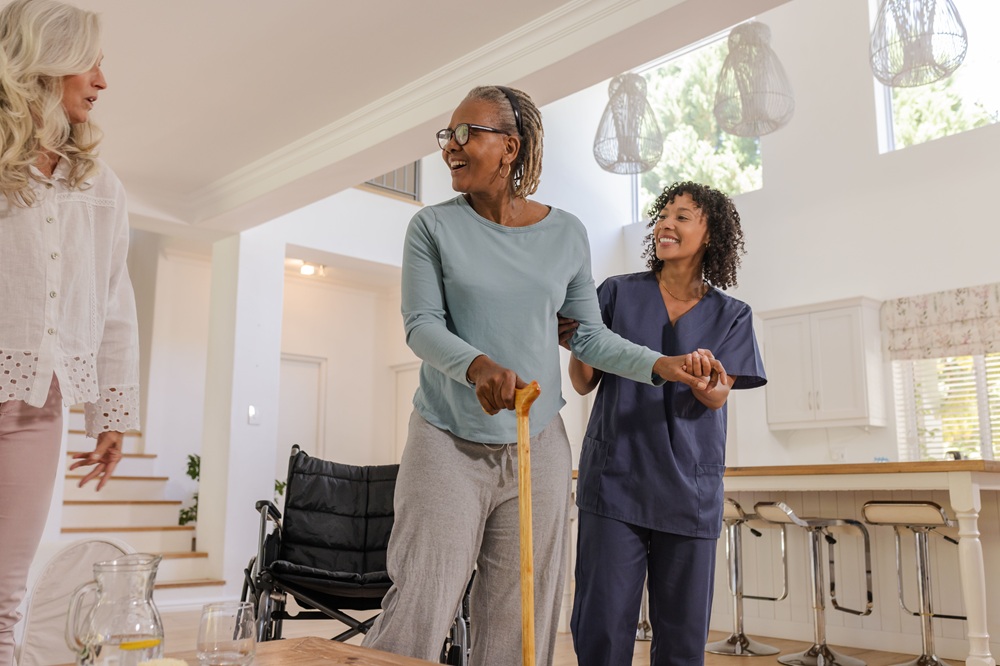
At Kingsley Senior Living, we recognize rehabilitation as one of the most important healthcare services for seniors, serving a wide range of needs. Not only does it support age-related changes, but it also helps address illness- and injury-related challenges. Rehabilitation plays a vital role in improving overall health and restoring function. Let’s explore the role of rehabilitation services and how they are used in senior living communities like ours at Kingsley Senior Living to help seniors regain their independence.
Role Of Rehabilitation Services In Seniors’ Lives
For seniors, whether provided at home or in a senior living community, rehabilitation services offer meaningful support for a variety of needs. They benefit seniors across physical, cognitive, emotional, and social aspects of well-being. Rehabilitation often becomes a key part of supporting overall wellness later in life.
Rehabilitation services include targeted therapies designed to address each senior’s unique needs. Rather than focusing only on immediate concerns, these therapies work to address underlying challenges and support long-term recovery. By strengthening multiple aspects of well-being, rehabilitation services help seniors regain independence similar to what they experienced before illness or injury.
Key Ways Rehabilitation Promotes Independence In Seniors
Independence for seniors goes beyond making everyday decisions. It also involves maintaining physical strength, mental clarity, and emotional confidence. Seniors value a sense of control and autonomy in their daily lives.
Reduced mobility, injury, or chronic conditions can limit a person’s ability to live independently. To support recovery, senior living communities offer rehabilitation therapies that help seniors rebuild strength, confidence, and function. Below are key rehabilitation services that promote independence.
Physical Therapy (PT)
Strength, balance, and mobility are essential for seniors to maintain independence. Physical therapy (PT) helps address conditions that limit movement due to aging, injury, surgery, or chronic conditions such as arthritis. PT focuses on restoring strength lost through injury or inactivity. Gait training improves balance and coordination, helping reduce fall risk and increase safety. Therapy also improves mobility, making everyday tasks like climbing stairs or getting out of bed easier.
Occupational Therapy (OT)
Occupational therapy focuses on helping seniors safely and independently perform daily activities. It strengthens functional skills such as dressing, grooming, cooking, and bathing while reducing reliance on assistance. Seniors also learn how to use assistive devices effectively. Improved dexterity and coordination make daily life more manageable and support greater independence over time.
Speech And Cognitive Therapy
Conditions such as stroke, brain injury, dementia, or age-related changes can affect communication, memory, and cognitive function. Seniors may experience challenges such as swallowing difficulties, memory loss, word-finding issues, or changes in speech clarity.
Speech and cognitive therapy aim to improve communication and cognitive skills. Speech therapy helps seniors regain clarity in speaking, swallowing, and comprehension after medical events like a stroke. Cognitive therapy focuses on strengthening memory, attention, and problem-solving abilities, supporting greater independence in daily life.
Emotional And Social Support
Confidence plays a major role in independence. Rehabilitation programs support both physical recovery and emotional well-being. As seniors regain strength and function, they often experience improved confidence and motivation. Receiving rehabilitation within a senior living community provides a supportive environment that encourages progress, connection, and emotional reassurance. This support helps reduce feelings of isolation and promotes overall recovery.
Prevention
Rehabilitation also plays an important preventive role. By addressing issues such as muscle weakness, balance concerns, and posture problems, rehabilitation helps reduce the risk of future injuries or complications. Early intervention can prevent health concerns from worsening and may reduce the likelihood of hospital readmissions. Ongoing therapy supports long-term safety and stability.
Kingsley Senior Living—Innovative Rehabilitation Programs
At Kingsley Senior Living, we understand that access to specialized rehabilitation services becomes increasingly important as seniors age. Rehabilitation programs serve multiple purposes, supporting physical recovery, cognitive health, and emotional well-being while also reinforcing independence.
For families, rehabilitation provides peace of mind, knowing their loved one is receiving professional, personalized support. These programs help seniors improve mobility, rebuild confidence, and maintain self-sufficiency.
For those exploring senior living options, we invite you to learn more about Kingsley Senior Living. Rehabilitation at Kingsley goes beyond recovery — it’s about helping seniors reclaim independence and confidence. Our “RENEW Rehabilitation” program is designed to support recovery, independence, and quality of life. Contact us to learn more about how our rehabilitation services can benefit you or your loved one.