734-405-7500

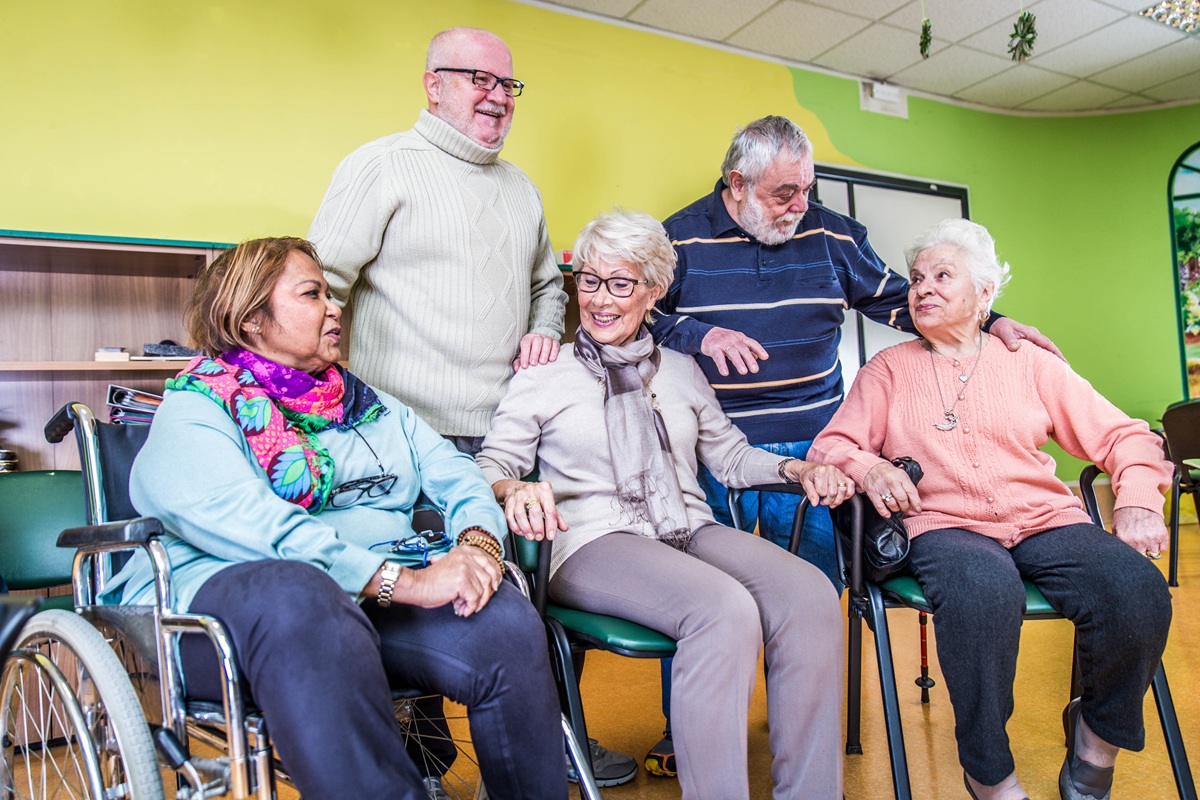
At Kingsley Senior Living, we recognize that it’s natural for seniors to want social connections and meaningful relationships. For many, maintaining friendships isn’t just about feeling comfortable around others—it’s a powerful way to support emotional health. Senior living communities are uniquely positioned to address residents’ social needs and encourage meaningful, healthy relationships. Making friends and building lasting connections fosters trust, compassion, and support, helping seniors strengthen their emotional well-being. Let’s explore how friendships support seniors’ emotional health.
Reduces Loneliness & Isolation
Living alone or feeling socially isolated can have a serious impact on a senior’s health. It affects emotional and mental well-being and increases the risk of several major health conditions. Loneliness and social isolation are linked to higher rates of heart disease, stroke, depression, anxiety, dementia, and premature death.
Living alone is often compared to smoking 15 cigarettes a day. Senior living communities address this by offering a wide range of social opportunities. programs and activities are designed to encourage connection and companionship, helping residents feel valued and included. Examples include group outings, hobby clubs, exercise classes, intergenerational programs, and volunteer opportunities.
Lowers Stress & Anxiety
Like loneliness and isolation, stress and anxiety can significantly affect a senior’s health. These conditions impact both emotional and physical well-being and are associated with weakened immunity and increased health risks. Finding ways to reduce stress is essential for overall wellness.
Building relationships with peers who share similar interests can improve emotional well-being. Senior living communities provide regular opportunities for social interaction that support emotional balance. Sharing experiences with others helps residents navigate difficult moments and build resilience. A consistent and supportive social environment helps meet residents’ emotional needs.
Boosts Mood & Happiness
Life changes such as the loss of a loved one, health concerns, or financial stress can contribute to feelings of depression in older adults. This can negatively affect overall well-being. Life in a senior living community offers a different experience. Residents engage in conversations, laughter, and shared activities that foster joy and a more positive outlook.
Friendships often develop naturally in senior living communities. Group activities and daily interactions provide emotional support and help residents feel connected. Access to social engagement, care, and resources allows seniors to enjoy a more balanced and fulfilling lifestyle.
Increases Sense Of Purpose
Many older adults experience a reduced sense of purpose as they age. Retirement, changes in social roles, or evolving health needs can leave some feeling disconnected or unsure of direction. A limited social life often contributes to this feeling.
Senior living communities encourage involvement in activities that help residents feel valued and confident. Beyond spending time together, residents build deeper connections by learning about each other’s interests and preferences. These relationships help foster purpose, self-worth, and belonging.
Maintains Cognitive Health
Emotional fulfillment plays an important role in supporting cognitive health. As people age, cognitive changes can affect processing speed, attention, and memory. Social engagement can help counter these effects.
Senior living communities offer activities such as games, conversations, group discussions, and shared hobbies that stimulate the brain. Residents can choose activities they enjoy, helping keep their minds active and supporting memory, reasoning, and problem-solving skills.
Offers Support During Transitions
Moving into a senior living community can feel overwhelming for many seniors. Adjusting to a new environment takes time and support. During this transition, friendships play an important role.
Peers offer encouragement, companionship, and practical support. By sharing experiences and interests, residents help newcomers feel welcomed and comfortable, making the transition smoother and more emotionally supportive.
Encourages Healthy Behaviors
Friends play an influential role in encouraging healthy habits at every stage of life. In senior living communities, residents often motivate one another to make positive choices.
This may include participating in physical activities, engaging in social programs, or maintaining balanced nutrition. Encouragement from peers supports both emotional balance and overall well-being.
Kingsley Senior Living – A Compassionate Senior Living Designed To Support Thriving Aging
At Kingsley Senior Living, we understand that strong social connections are an essential part of healthy aging. For many seniors, a fulfilling lifestyle includes more than care and support—it includes meaningful relationships. Friendships in later life contribute to stronger emotional health and overall well-being.
Supportive relationships also ease the transition into senior living, reduce stress, foster purpose, and support cognitive health. That’s why creating opportunities for connection is a priority at Kingsley Senior Living. Through engaging activities and thoughtfully designed programs, we encourage natural social interaction among residents.
Contact us to learn more about how Kingsley Senior Living supports emotional well-being and helps seniors enjoy a healthier, happier aging experience.